Our manufacturing program includes asepticcally collected defibrinated or stabilized whole bloods as well as the individual blood fractions such as serum, plasma and erythrocytes. These products are available from various animal species such as sheep, horses, cattle, swine, poultry (including chickens and turkeys) and rabbits.
We collect the blood from helthy donor animals that comes from german farms and process it in our laboratories.
The short supply chain and our tried-and-tested collection and processing processes ensure constant biological properties and absolute freshness of our blood products.
For individual requirements, larger needs or permanent purchase, we will be happy to make you an individual offer.
Available Products
Defibrinated blood
All donor animals are under official veterinary hygiene control as well as under continuous veterinary surveillance.
It is ensured that the animals do not contain any antibiotics or other inhibitors in their blood. After the blood has been taken, the defibrination is carried out by shaking with glass beads. The fibrin is separated from the blood by microfiltration (1 mm).
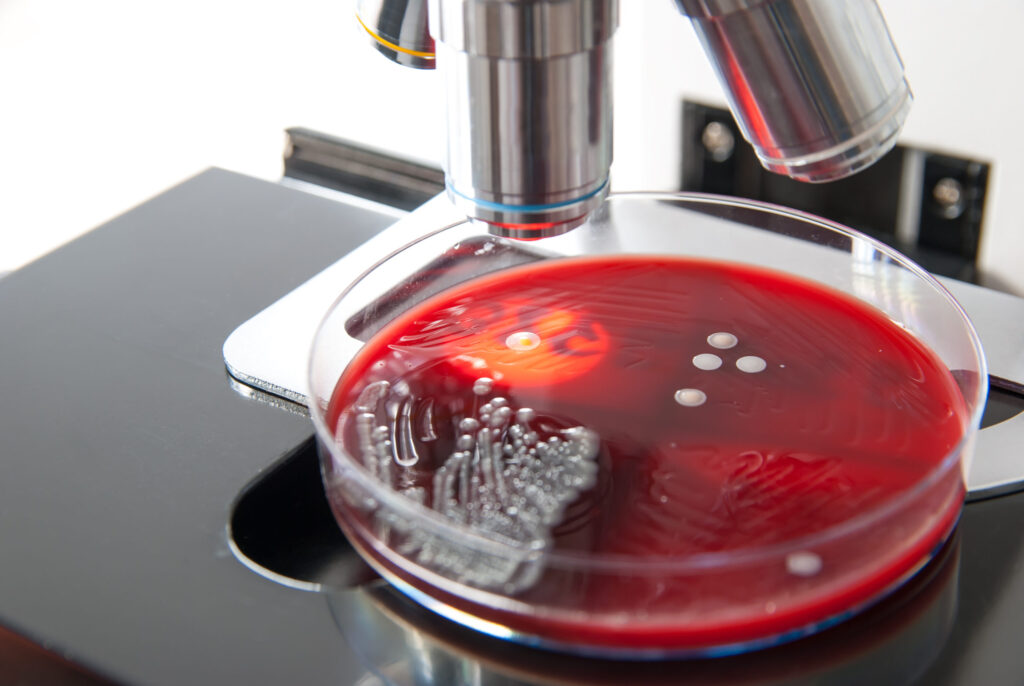
Sterile, defibrinated blood is suitable for the production of blood agar plates, which are used for the cultivation of fastidious germs in particular. These include several species of the genera Haemophilus, Neisseria, Streptococcus, Corynebacterium, Bacteroides, Campylobacter and many others.
A pre-differentiation of streptococci can be made on blood agar by recognizing the type of haemolysis. The blood can also be used to make cooking blood agar (chocolate agar).
Stabilized blood
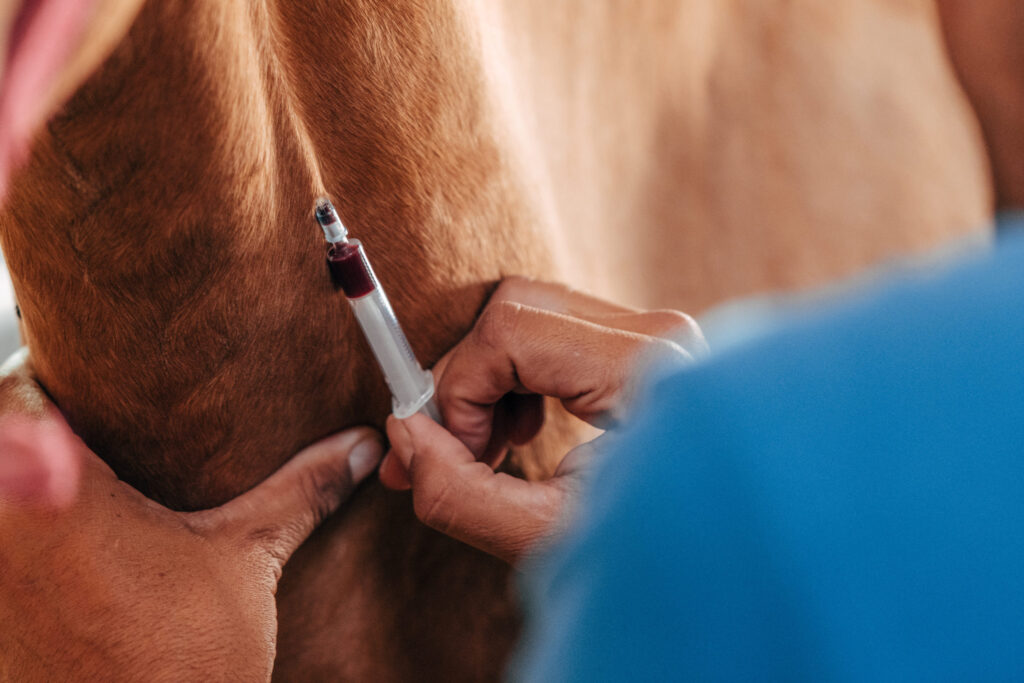
Stabilized blood is obtained by aseptic collection, mostly from the jugular vein (neck area) of healthy animals.
The stabilized blood can be kept for at least three weeks when stored in a refrigerator (+2 °C to +8 °C). ACD citrate and Alsever solution as well as sodium heparin and EDTA are used as stabilizers.
Sterile stabilized blood is used to make blood plates. It is also suitable for obtaining blood fractions such as erythrocytes, which are required for a wide variety of biochemical tests, as well as for contamination tests in hospital hygiene or in the development of medical-technical devices.
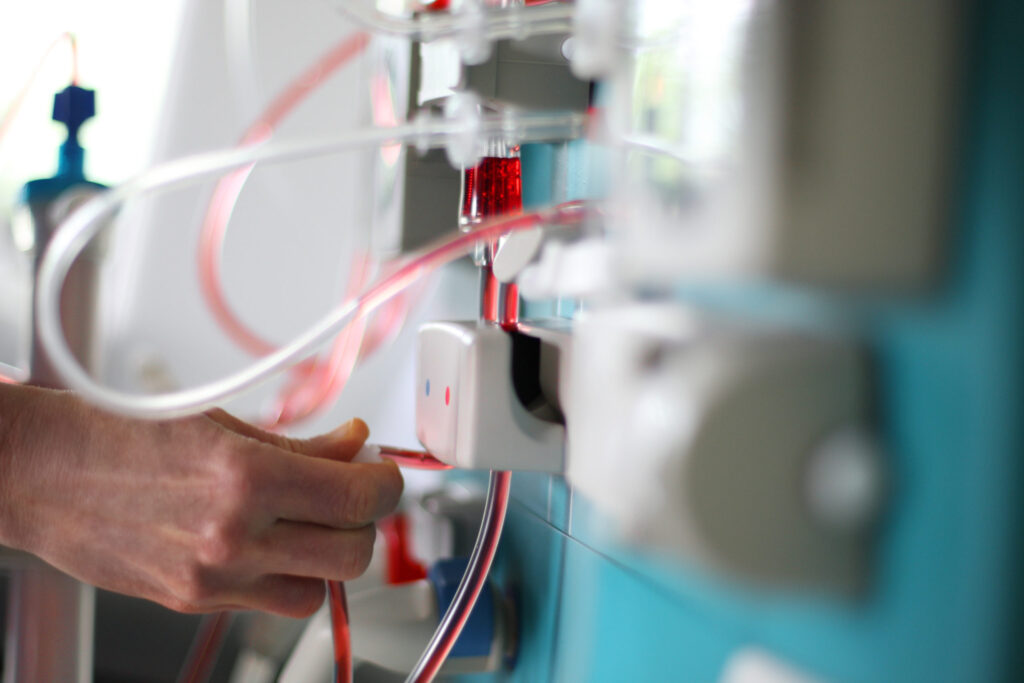
Blood mixed with sodium heparin is used as preserved whole blood for testing dialysis machines, used to feed insects and the like.
Plasma
Blood plasma is used with its positive properties in the cosmetics, pharmaceuticals, and diagnostics sectors.
It is not possible to obtain the plasma through the conversion of fibrinogen into fibrin in the normal slaughtering process. The blood clots if the fibrin is not removed, in the form of what are known as blood veins. Coagulation must therefore be prevented by adding anticoagulants. Citrate, EDTA, sodium heparin and Alsever solution are suitable for this. These prevent thrombin formation and thus clotting.
During the separation of the blood mixed with anticoagulant (citrate, EDTA), the plasma is obtained as a light liquid component. This can be stored for up to one year (at -18 °C) through step and final sterile filtration 0.2µ.
Serum
If the blood is not mixed with an anticoagulant but stirred, the fine network of fibrin encloses all the structural elements of the blood.
The blood clot colored red by hemoglobin is separated. The remaining blood fluid is separated in the separator into a light phase, the serum, and a heavy phase, the erythrocyte concentrate. A final stage or sterile 0.2 µm filtration ensures a shelf life of min. one year.
Products obtained from
Chickens & Turkeys
Products obtained from
Cattle
Products obtained from
Sheep
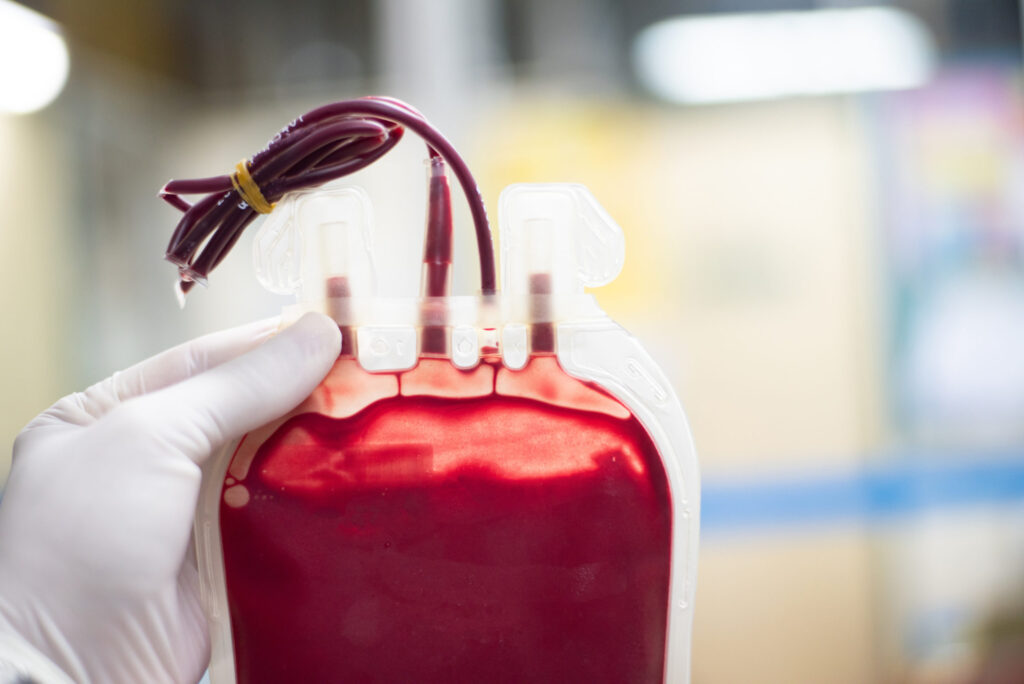
* Large customers can also be supplied in 2,000 ml, 10,000 ml blood bags by standing order.
Goat blood/serum on request.
Products obtained from
Horses
Products obtained from
Pigs
Products obtained from
Rabbits
Do you have individual requirements or would you like to find out more about one of our products?
Purposes of our products